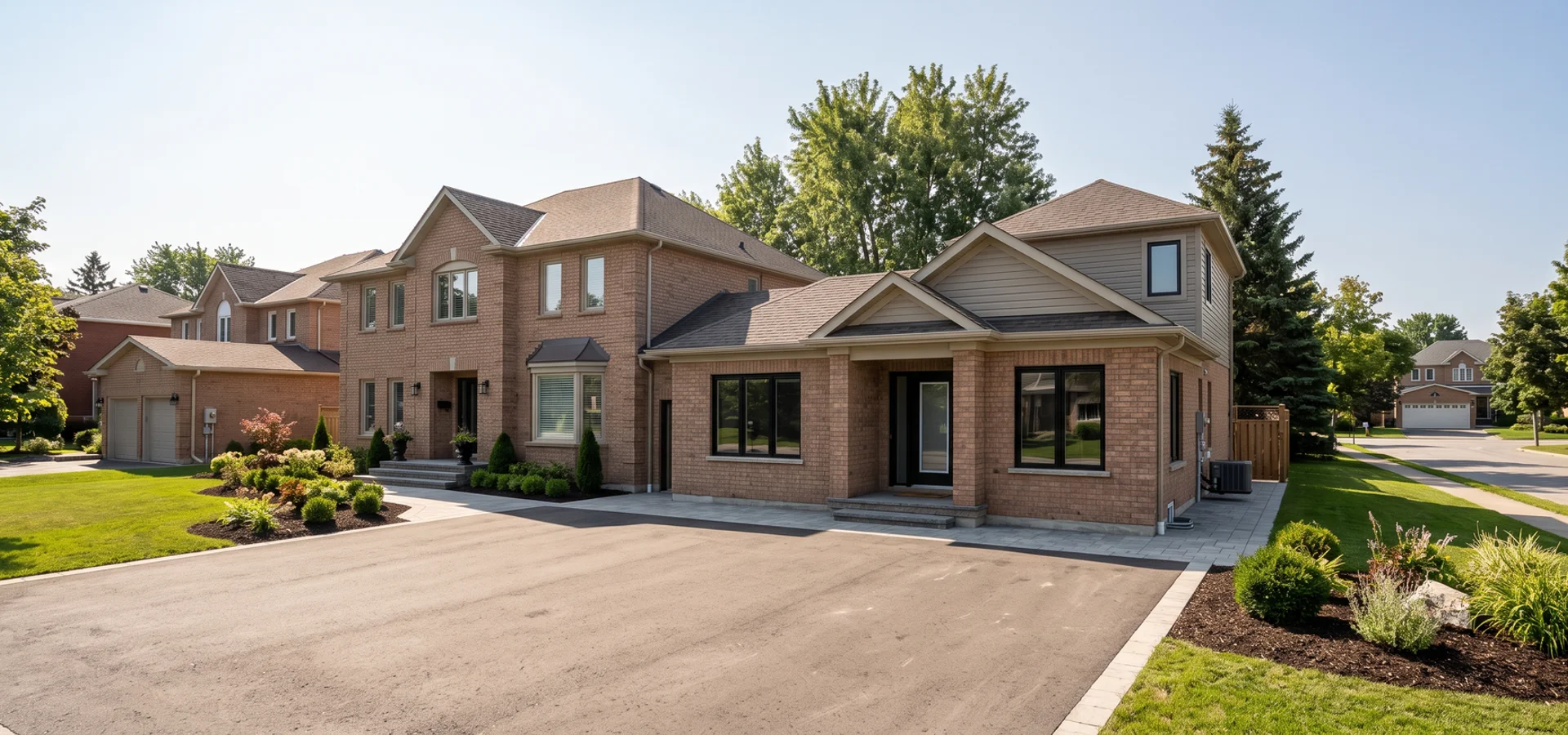
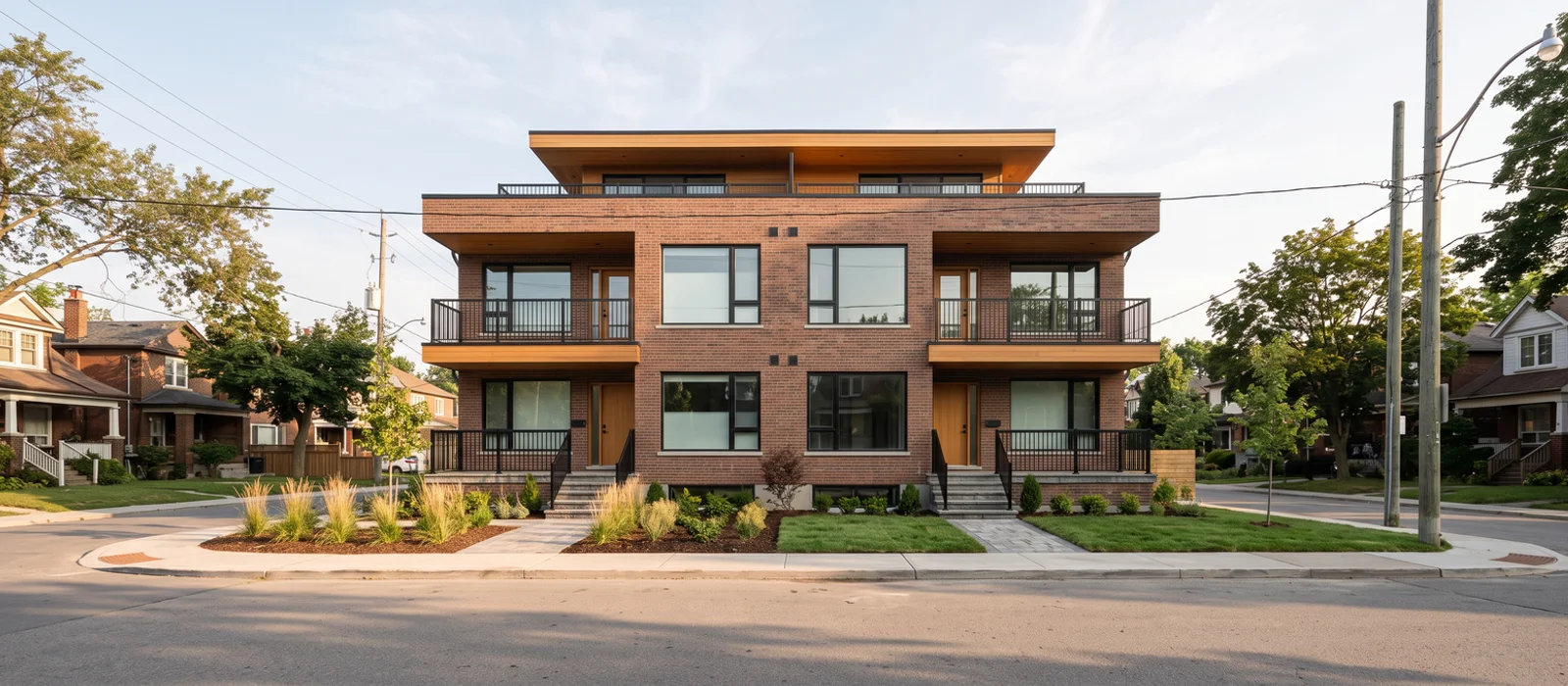
The most important step in the city is setting aside what you have heard about Toronto. EHON does not apply here. The city's zoning by-law and additional residential unit provisions, along with provincial rules, decide how many units your lot can have and how they must be arranged.
Second, decide what you are trying to achieve. Most local clients want a legal suite for parents or adult children, or a rental unit to help carry the mortgage. The right answer might be a basement unit, a rear or side addition, or a combination, and each has different costs and approval paths.
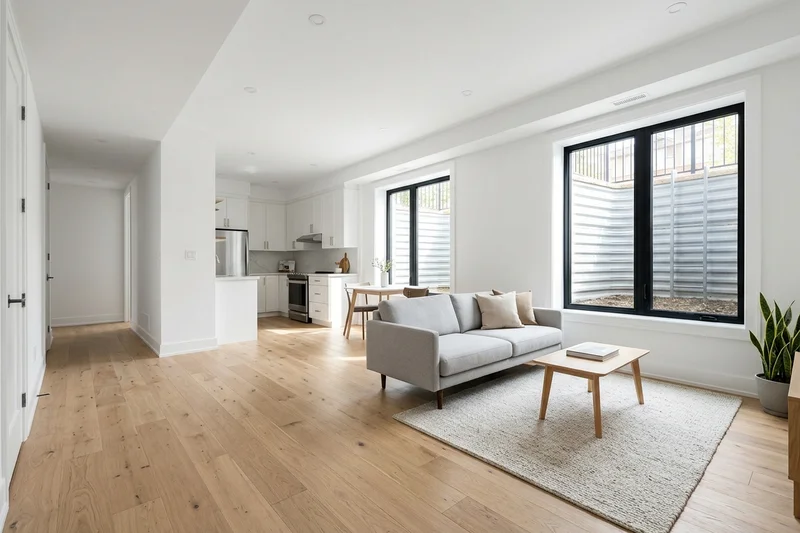
Third, look at the basement. Many local homes built since the 1980s have deep basements that can become bright, legal units with egress windows, fire separation and a separate entrance. That is often the quickest and least expensive way to add a home.
Fourth, check servicing. Water and sewer run through the city and York Region, and adding a unit may require upgrades or connection fees. We check these during feasibility so the budget is complete.
Finally, think about entrances and parking. Additional units usually need their own entrance, and local rules may require a parking space. On wide suburban lots this is usually manageable, but it needs to be planned rather than assumed.
If you are unsure what your lot allows, a written feasibility report confirms the current local provisions for your property and compares the options side by side.